
PETROCHEMICAL PRODUCTS:
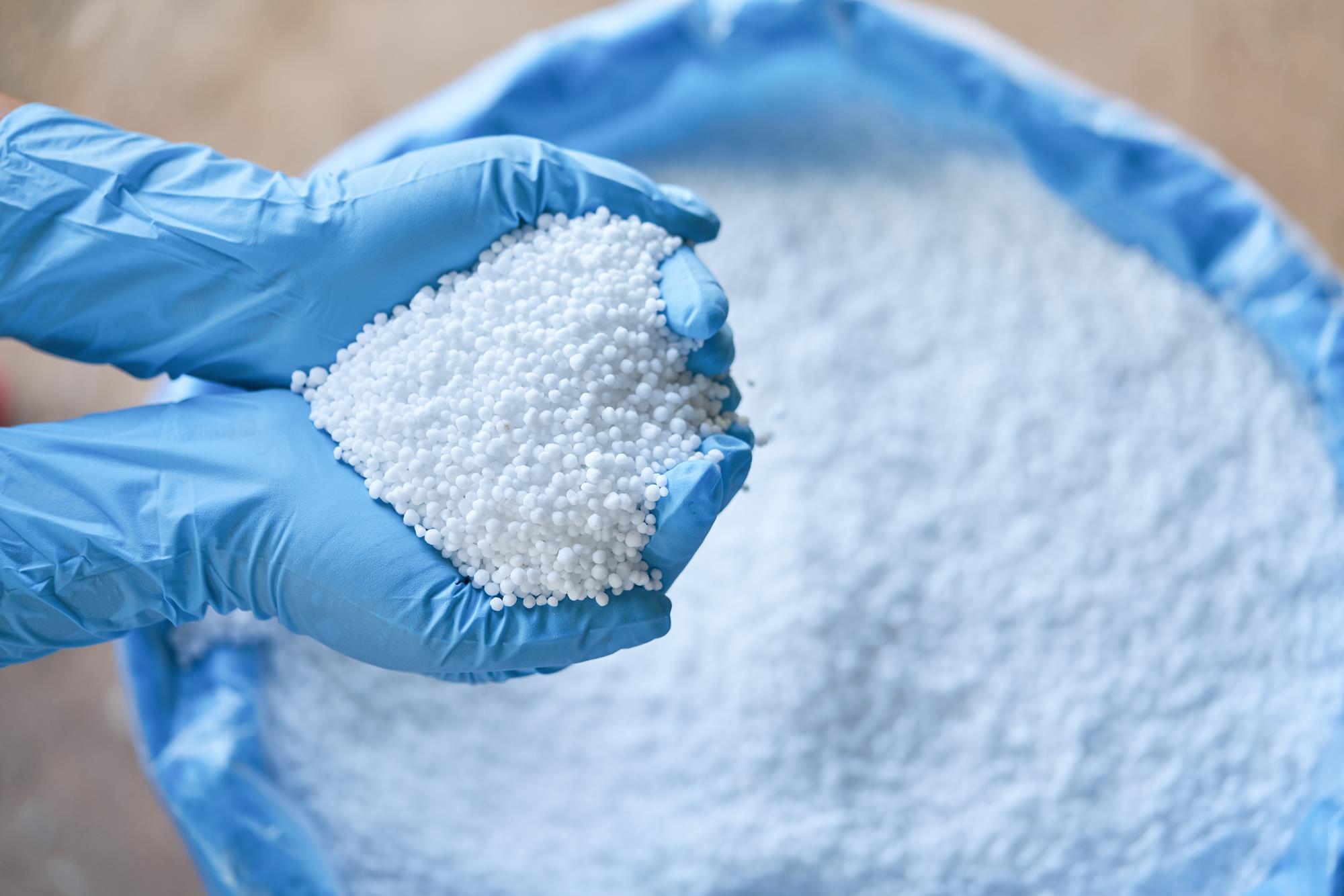
1-UREA 46% Granule and prill
2- SULPHUR / SULFUR Granule and lump

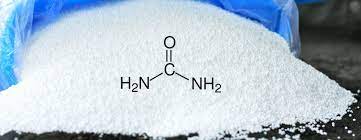
Urea 46% Fertilizer
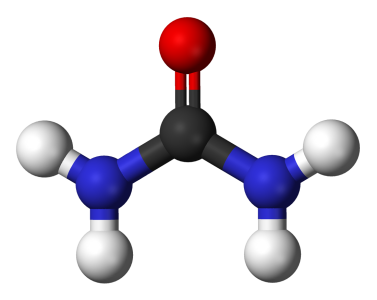
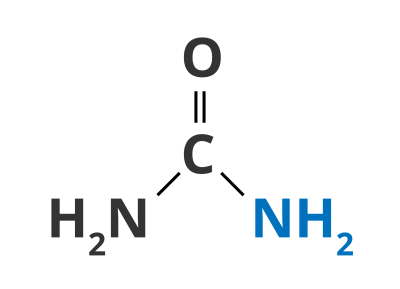
Urea 46%, also known as carbamide, is a chemical compound that is commonly used as a fertilizer in agriculture. It is a white crystalline substance that contains 46% nitrogen, making it one of the most concentrated nitrogen fertilizers available in the market.
Urea 46% is a synthetic organic compound that is made by combining carbon dioxide and ammonia. It is highly soluble in water, making it easy to apply to crops through irrigation or foliar spraying. Its high nitrogen content makes it an excellent source of plant nutrition, as nitrogen is an essential nutrient for crop growth and development.
Benefits of Urea 46%:
Urea 46% has several benefits that make it a popular choice among farmers and agricultural experts. Some of these benefits include:
1. High nitrogen content: Urea 46% contains 46% nitrogen, which is the highest concentration of nitrogen among all solid nitrogen fertilizers. This makes it an excellent source of plant nutrition, as nitrogen is essential for plant growth and development.
2. Easy to apply: Urea 46% is highly soluble in water, which makes it easy to apply to crops through irrigation or foliar spraying. It can also be mixed with other fertilizers and applied as a blend.
3. Cost-effective: Urea 46% is relatively inexpensive compared to other nitrogen fertilizers, making it a cost-effective option for farmers.
4. Long-lasting: Urea 46% releases nitrogen slowly over time, which means that it provides a steady supply of plant nutrition over an extended period. This reduces the need for frequent applications and saves time and money.
Uses of Urea 46%
Urea 46% is primarily used as a fertilizer in agriculture, but it also has other industrial and commercial applications. Some of the common uses of urea 46% include:
1. Fertilizer: Urea 46% is widely used as a nitrogen fertilizer in agriculture to promote crop growth and increase yields. It can be applied to a variety of crops, including cereals, vegetables, fruits, and ornamental plants.
2. Animal feed: Urea 46% can be used as a source of protein for livestock feed. It is often mixed with other ingredients to form a balanced diet for animals.
3. Industrial applications: Urea 46% is used in various industrial applications, such as the production of plastics, resins, and adhesives.
4. Automotive industry: Urea 46% is used in diesel engines as a reducing agent to reduce nitrogen oxide emissions.
Conclusion
Urea 46% is a powerful fertilizer that provides a steady supply of nitrogen to crops over an extended period. Its high nitrogen content, cost-effectiveness, and ease of application make it a popular choice among farmers and agricultural experts. Whether you are growing cereals, vegetables, fruits, or ornamental plants, urea 46% can help you achieve higher yields and better crop quality.
PACKING:
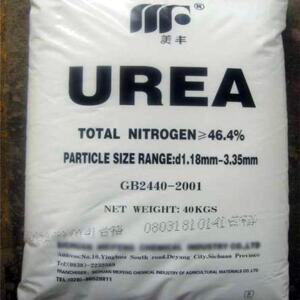
50 Kgr bag
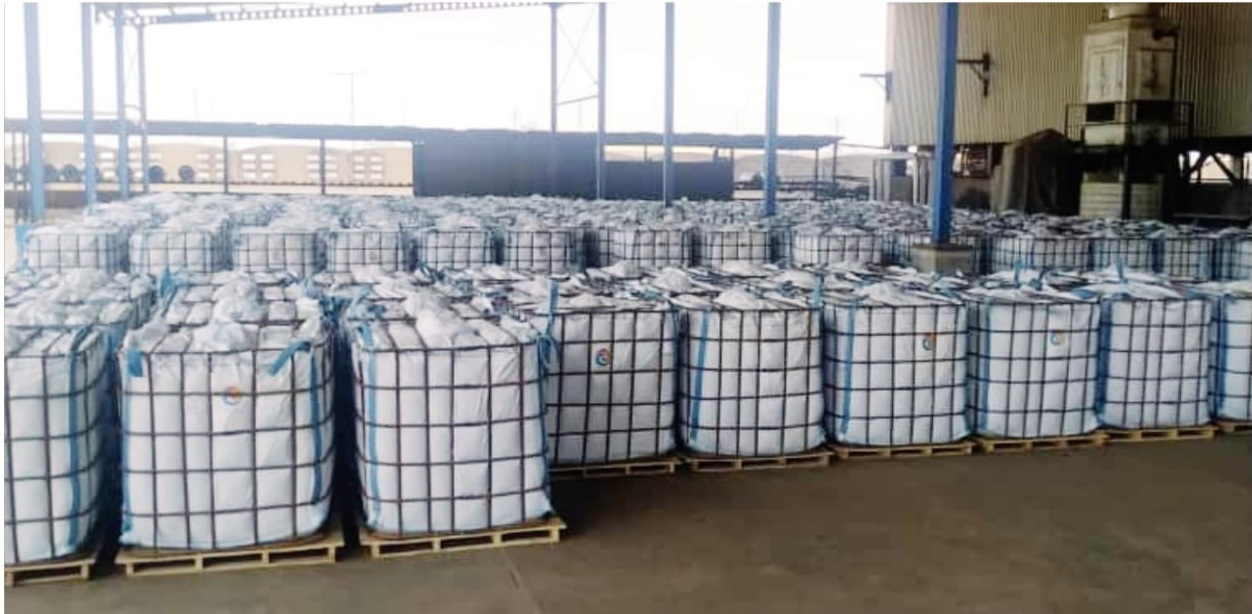
1000 Kgr jumbo bag
SULFUR / SULPHUR Granule and prill;
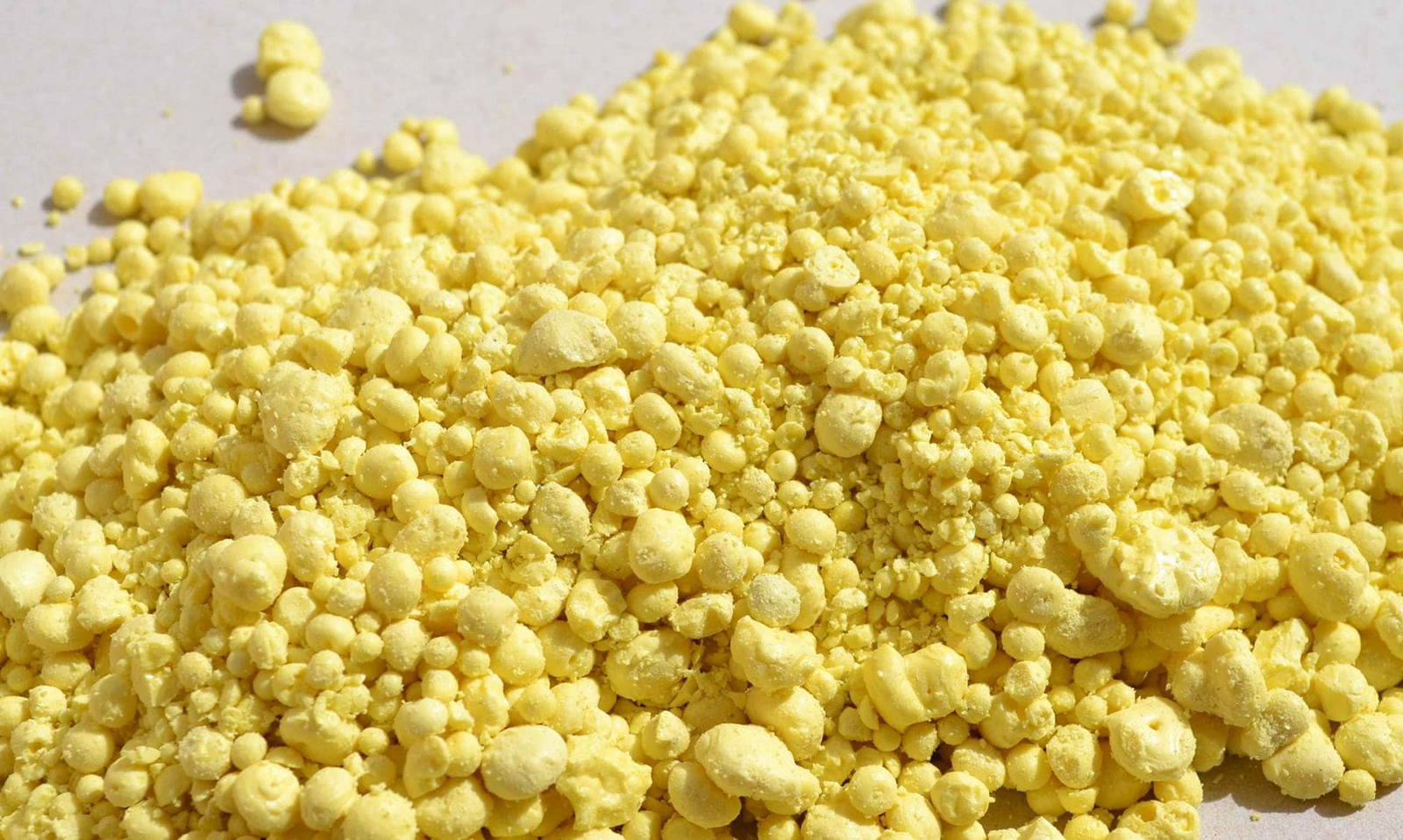
Granular and Lump Sulfur Fertilizer:
Sulfur is an essential nutrient for plant growth and development, and it plays a critical role in the formation of proteins, enzymes, and vitamins. Sulfur deficiencies can lead to reduced crop yields and poor quality produce. Granular and lump sulfur fertilizers are two common forms of sulfur that are used to provide this essential nutrient to plants. In this article, we'll explore the benefits of granular and lump sulfur fertilizers, as well as how to use them effectively in your agricultural practices.
What is Granular Sulfur Fertilizer?
Granular sulfur fertilizer is a type of sulfur that has been formed into small pellets or granules. It is typically used as a soil amendment to increase the sulfur content of the soil. Granular sulfur fertilizer is often used in alkaline soils where the pH level is above 7.0, as these soils tend to have low sulfur content.
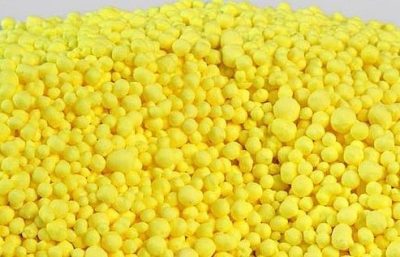
Granule
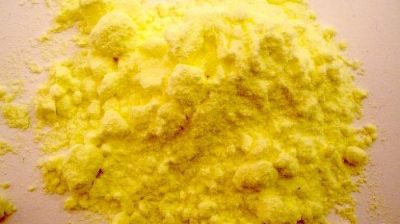
lump